


kv777 | The Immersive World of Simulation Games: Balancing Fun and Realism
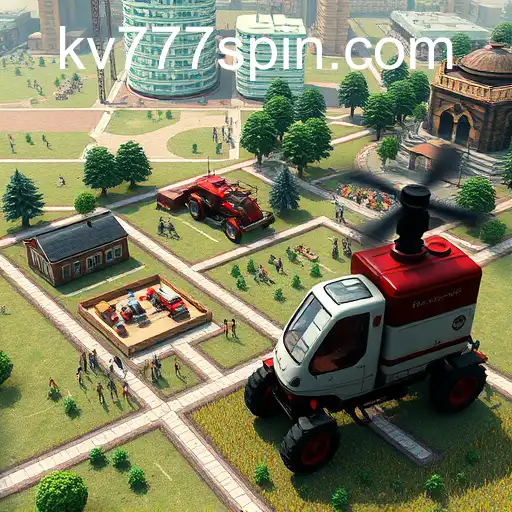
Simulation games have carved a unique niche in the world of gaming, offering players the opportunity to immerse themselves in detailed, realistic environments where they can control various aspects of gameplay and decision-making. The term 'simulation games' encompasses a wide range of genres, from city-building and management games to life simulators and flight simulations. Each game within this category strives to replicate real-world activities or processes as accurately and engagingly as possible. The allure of simulation games lies in their ability to blend education and entertainment, often providing players with insights into the mechanics of complex systems or environments. City-building games like 'SimCity' or 'Cities: Skylines' have been popular for decades, allowing players to design and manage their urban environments. These games require careful planning and strategic thinking, as players must balance the needs of their city's population with resources and development goals. Similarly, life simulation games such as 'The Sims' offer a more personal experience, where players manage the lives, relationships, and careers of their characters in a detailed virtual world. The sandbox nature of these games provides endless possibilities for creativity and experimentation. Beyond entertainment, simulation games are also beloved for their educational benefits. They often serve as valuable tools in training and professional development. For instance, flight simulators have long been an essential part of pilot training, as they allow trainees to practice maneuvers and responses to various flight situations in a controlled, risk-free setting. In the field of education, simulation games can be harnessed to teach a variety of subjects, offering interactive and engaging experiences that enhance the learning process. As technology advances, the realism and scope of simulation games continue to grow. Virtual reality and augmented reality are bringing even more depth to simulation experiences, immersing players in lifelike worlds that test their skills and decision-making in unprecedented ways. This evolution promises even more complex, realistic, and engaging simulation experiences in the future, catering to a diverse audience of gamers, learners, and professionals alike.
